Pluribus “We is Us” (S1E1) Review

“I figure, you make even one person happy, maybe that’s not art, but it’s something.” – Helen

The title of Pluribus derives from the latin phrase, “E Pluribus Unum”, meaning “out of many, one”. The show opens with a team of astronomers obsessively drawn to a strong, mysterious signal pattern that’s been detected in far away in space. The opening wide shots of the large satellite dishes already evoke 2001: A Space Odyssey as this unknown phenomenon unfolds, implying we’re in for quite the think piece. A timer is displayed over the screen in anticipation of what may be considered a monumental event. With what appears to be a coded message transmitted from light years away, an entire science community is giddy over what’s transpiring as it’s certainly something to chalk up as a major feat in the human pursuit of discovery.

Meanwhile and elsewhere, we’re introduced to Carol Sturka, who is an established author offering joy and a sense of community to an enthusiastic cult following with her ongoing series of romance fantasy novels. She puts on a strong, convincing front in appeasing her fans during a book tour presenting her latest entry ‘Bloodsong of Wycaro’, but it’s revealed later she finds their adoration and invested interest to be annoying, mindless, and foolish. Little does she know that a similar group of people, driven by a similar intellectual fascination, are on the brink of decoding a transmission which will dramatically change the world as we or Carol know it. Carol’s gripes with her fandom will eventually clash with the pilot’s larger premise when the supernatural event occurs causing the entire world (save apparently for 11 people) to succumb to a hivemind where everyone is happy and willing to help one another. 

The first episode plays out nightmarishly as we follow a panic-stricken Carol as she tries desperately to save her partner Helen amidst the immediate chaos. The physical and psychological toll is abrupt and would shake anyone to their core but Carol’s perspective is especially intriguing because the very thing she found off-putting before the event has now extended to the entire world without any rhyme or reason. Everybody is united and wants nothing but the best for each other, and Carol in particular, as she’s one of the rare outliers who hasn’t been affected by this psychic bind. What was once a small fan following she cultivated with her own artistic expression and human creativity has now become a world where community and belonging is the absolute brought on by an external phenomenon that is alien to any of the human race’s intent. Has she taken for granted what she offered to people and received back, or does this event only magnify her frustration?

There are many questions posed from this pilot. What have we lost vs what have we gained? For Carol, it’s all trauma so far because she’s an outsider to everyone’s unity and transcendent sense of happiness. From her initial perspective, it’s a world of destruction, creepiness, and phoniness. It’s other-worldly. She’s lost her partner because of it. Would she be better off if she found a way to give in to this new united world? What benefits could be bestowed upon humanity for doing so? What higher evolution can be achieved from this monolithic moment? At the same time, what harm can be brought? How antithetical is it to our existence and the human experience? Do we lose our individuality when an entire world is on board to work together and please each other? Is this peace and harmony earned? Should it need to be? Does morality get tossed out the window for the better good when everyone is of the same healthy heart and mind? What is our purpose when we’re no longer striving to find it? Does that matter? There’s so much to explore here and so much promise that it can be done in a thoughtfully entertaining way.

What’s ironic about Carol’s negative attitude towards her fandom before the world shifts is that there’s an inkling that she cares about the connection she’s created with strangers, even if it’s not the ideal connection she’s looking for. In the same way that the lady from the testing facility made an extra effort to lick donuts with the hope it might spark further unity, Carol also makes sure her new books in the Wycaro series are placed on a more accessible shelf in an airport gift shop with the hope it can reach whatever little amount of more people possible. Having Helen do this for her without saying a word implies this isn’t the first time she’s made an effort to be better seen. 

You can argue that perhaps Carol’s just a curmudgeon who wants to milk a bunch of suckers for everything they’re worth. Perhaps to help grow an audience before she releases a story she finds more meaningful, like a project she’s had on the back burner entitled ‘Better Chrysalis’, which is a title that suggests metamorphosis to something greater. It’s a theme that the show seems willing to play with. Either way you look at it though, it’s a means to an end where she ultimately longs for connection and to express a deeper truth in which she can be proud to have shared. Later scenes, like her inquiring about reviews on the internet, suggests she’s genuinely interested in their fascination with what she has to offer the world, even if what she’s offering is a skewed misrepresentation of what she may wish to truly express.

When a fan asks via internet who inspired her fictional character Rabon, the male love interest from her series of novels, we learn the character was likely manufactured as male to appeal to a larger audience. Carol is willing to skew the truth as she’s amused at the idea of responding that George Clooney was the actual inspiration, but it’s clear she’s just not willing to share a certain part of herself. “What do you have to lose?”, Helen asks. The scene beforehand where Carol looks up to the night sky and is awe-struck by the planes flying perfectly parallel in sequence suggests she acknowledges a sense of beauty in the concept of synchronicity. The longing for people to be united on a grander scale no matter in what odd fashion is an idea she’s taken towards. So much so that she makes sure Helen, her lesbian partner, sees it. It’s weird, but it’s something. What does this say about Carol? Does she crave and value acceptance even if under false pretenses over ensuring her own happiness in a smaller corner of her world? What happens when that’s exactly what she gets?

Davis Haffler, Undersecretary of Agriculture for Farm Production and Conservation, speaks to Carol on behalf of the many and “assures” her that her life is still her own. However, the hivemind intends to fix what makes her different so that she can join them. Carol is now in a position where she’s forced to face her very own individuality and identity, which up until now she’s been shying away from when it comes to allowing her pocket of the world to truly know her. Can she truly be accepted if humanity has no agency over prejudices? If everyone is one, does love and hate even exist on this planet? This is a post-apocalyptic story that’s completely turned on its head. Carol driving to the hospital as people run behind her to put out fires and save people is shot as if a horde of zombies are chasing her. But this show is not about violence or carnage. It’s about something completely different. Something more. Pluribus is philosophically and psychologically gripping and I’m sure I’m one of man excited to see how this show shapes out.

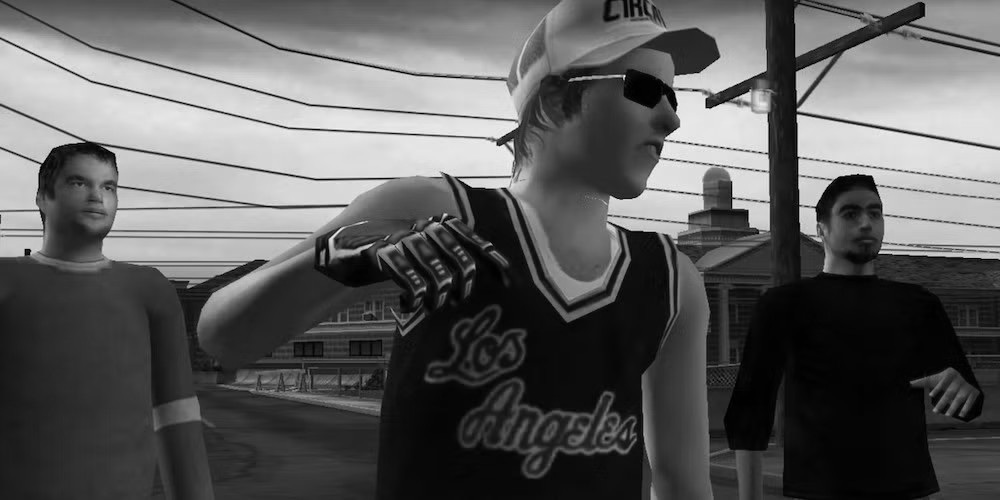
Tony Hawk’s Underground Should Not Be Remade

We are on the heels of the release of Tony Hawk’s Pro Skater 3+4 and fans are already clamoring for a Tony Hawk’s Undergound 1+2 remake. A game that is one of my favorites of all time.

But why?

If you actually grew up and kept up with the Tony Hawk series from 1999-2005 and beyond, you would know that Neversoft was playing with fire when developing every entry. The balance between maintaining the unique roots in game design that made the Tony Hawk series so special and progressing the series in a fresh, interesting manner was a gradual high-wire grind which risked a faceplant the further it proceeded. Quality of life improvements were added to each annual installment like gameplay mechanics that can continue your combo, allowing for a more entertaining gameplay loop. Manuals, reverts, spine transfers, leveling yourself out in the air, wallplants, and even the ability to get off your board in the better effort to traverse the map were welcome additions over the years. It’s a testament to Neversoft that they were able to keep the series as beloved and innovative for as long as they were able to on a yearly basis.

However, many fans became increasingly aware of the potential shark-jumping the series was toying with, especially when the Jackass DNA became wilder and more prevalent with each installment (THUG 2 reaching the apex). Sure, skateboarding culture and MTV’s Jackass and Viva La Bam share a similar rebellious, punk, and daredevilish spirit so the marriage of the two entities was a natural direction for the series in many ways. But again, it’s all about the balance between skateboarding as a culture and the integrity of the sport, which up until Tony Hawk’s Underground 2 was always a trick Neversoft successfully landed.

Don’t get me wrong, I love THUG 2 and if the game ceased to exist from our reality, I would be incredibly upset. It’s one of the best products of its time, representing alot of the destructive, unbalanced hijinks of the early 2000s, and is a successful, off-the-rails experiment in the series overall, but it would lead the series down a direction that proved difficult to get back on track. It was already one thing that Tony Hawk’s Pro Skater 4 began introducing goals that mixed up the formula like skitching vehicles, luge, and slalom challenges. Bam’s pro challenge in particular was to ride a shopping cart down Alcatraz’s windy road avoiding obstacles. Not to mention THPS4’s mini-games like tennis, baseball, and betting on fights. By the original Tony Hawk’s Underground, the player is faced with driving different vehicles like cars, security carts, blimps and even lawn mowers. Seriously, as great as THUG 1 is, there’s a goal where you need to tediously mow piles of leaves in Vancouver. Thankfully, these were just one-offs that were marginal at best in comparison to the rest of the game that retained its focus to core skateboarding.

By THUG 2 though, you were required to take control of gimmick characters like Steve-O on a mechanical bull or an Australian native in a go-kart. Every level had a character like these that were essential to completing the game. These were humorous gags, but were forcing players into alternate game mechanics that distracted from the true skating game long-standing fans of the time were used to. You’re also tasked with tagging graffiti on buildings and were granted the ability to break your board in a rage when you bail.

By Tony Hawk’s American Wasteland, which is one of the last solid entries in the series, you were riding bikes and performing more parkour tricks off your board. All of this added to the immersion of the lifestyle that can be found around skating, but at this point, the series was taking on so many different things, it was losing focus…or playing with fire if you will. As a teenager, I loved every second of it (more fire!) but even I knew at the time that Neversoft was scraping the bottom of the barrel of how much crazier each sequential game can get. The ultimate result was the eventual decline in the series as development in the yearly Activision machine caused Neversoft to creatively stumble (especially during a transition to next-gen consoles), leaving other studios like Robomodo to pick up the pieces, and business choices like chasing trends inspired by Guitar Hero brought about the end of the Tony Hawk video game franchise altogether.

After the critical and commercial success of 2020’s Tony Hawk’s Pro Skater 1+2 (fastest selling Tony Hawk title upon launch, 10 million+ sales total, and even winning significant awards/accolades), the series has the rare opportunity to reflect on the mistakes of the distant past and course correct the trajectory of where the Tony Hawk series can go. After Activision’s clumsy dismantling of Vicarious Visions upon this success, the current dev team Iron Galaxy were eventually assigned to take over for the development of 3+4. Whether Iron Galaxy chose to remove the free roam gameplay from the career mode of THPS4 in the upcoming remake as a cop-out due to constraints in development time or as a conscious creative decision, there is a silver lining here. By keeping 3+4 as a uniform experience with the 2 minute timer single session format, it leaves the next working title a chance to carefully consider how to evolve and continue the franchise while exercising discipline in how these games are presented. The cut content from 3+4 also leads me to my closing arguments of this article:

Do you really want to see a version of Tony Hawk’s Underground that’s not going to be a 1:1 faithful remake? If THPS3+4 is any indication, the dialogue in the story mode or what’s given by goal challenge NPCs is going to get tweaked or probably excluded. I’m not even talking about censorship. There’s scenes in the game that would make no sense today. Go back and actually play THUG 1 and tell me with a straight face that the off-the-cuff dialogue is something that won’t feel disingenuous replicating 20 years later. The entire story, while universal in its tale about the scrappy upstart and dealing with people who hold you back from achieving greatness, is still executed with a vibe and spontaneity that is owed only to the culture of the early 2000s. Out of respect to that era, it should honestly stay there.

Also think about how the original roster of the Tony Hawk games are playing their current aged selves in these remakes compared to the younger new school roster that share the same space. Does it seem relevant that a 50 year old Chad Muska would be cruising around the streets of suburban New Jersey to show off how his SUV sound system is louder than a Metallica concert? Do the kids today even know who Metallica is (joking), let alone a built-in DVD player? The lives of these pro skaters have likely changed immensely since the game’s release. You want to see them play a verison of themselves that they might not relate to anymore? Yes, Iron Galaxy technically can present a Tony Hawk’s Underground remake as a period piece, but then you’re secluding an entire new age roster that’s ready at your disposal from the last two recent titles. You can’t just shoe-horn Lizzie Armanto or Shane O’Neill in because they were little kids when this story existed. Either way, a remake of these games would feel weird and out of place, especially since the skateboarding landscape has changed dramatically since 2003-2005. Skateboarding is in the Olympics now for gosh darn sake! The culture has changed in some of the most exciting ways. Why not take advantage of developing something new that can reflect that?

If we already know that the Tony Hawk series can potentially end from one ill-advised decision coupled with the fact that the development of AAA games like these take significantly longer to make in today’s industry, then why waste it on a remake of a game featuring a story that was a product of its time (a great product, of course), but would plant the seeds for a path of no return? In my opinion, the best two options going forward is to either give us something in the form of a Pro Skater sequel or sequels where we can enjoy the maps+features from THUG 1+2 and THAW in a different perspective, and/or give us a completely new Underground story as a spinoff that reflects the current, expansive landscape in skating. Not to sound morbid, but imagine the legacy of this franchise if it were to continue as a celebration of skate culture long beyond Mr. Hawk’s, Mr. Mullen’s, or Mr. Campbell’s years. It’s not that I don’t want the series to take risks like it used to, but maybe fire can be played with again in a more controlled fashion like carrying the Olympic torch to kick off games for years to come.

Tony Hawk himself recently expressed his support to push for a Tony Hawk’s Underground remake. If this remake were to exist, of course I would play it. My only hope is that he, Iron Galaxy, and Activision give what I’m saying real consideration before just giving in to the loud vocal majority of fans who may be blinded by the overwhelming nostalgia for ‘that next remake’ in line. Maybe instead, strike while the iron’s hot, kill your darlings, and bring us something out of this world. But you know, keep it grounded in what works. Not all franchises get a second life.

If you want to check out my lets play of Tony Hawk’s Pro Skater 1+2, you can follow my channel on youtube KevPlays9490. You can also follow me on twitter @letswatchseries to keep up to date on the occasional upload. Thanks for reading!

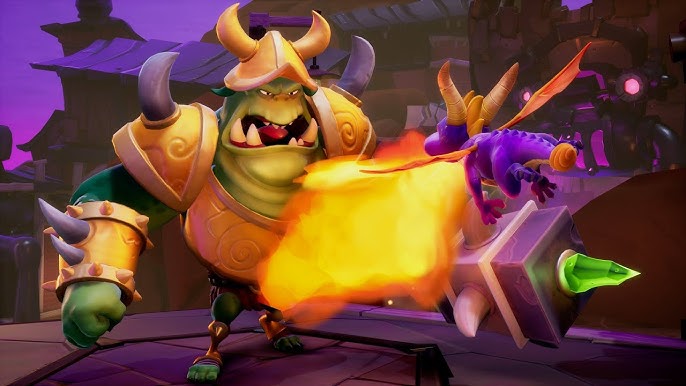
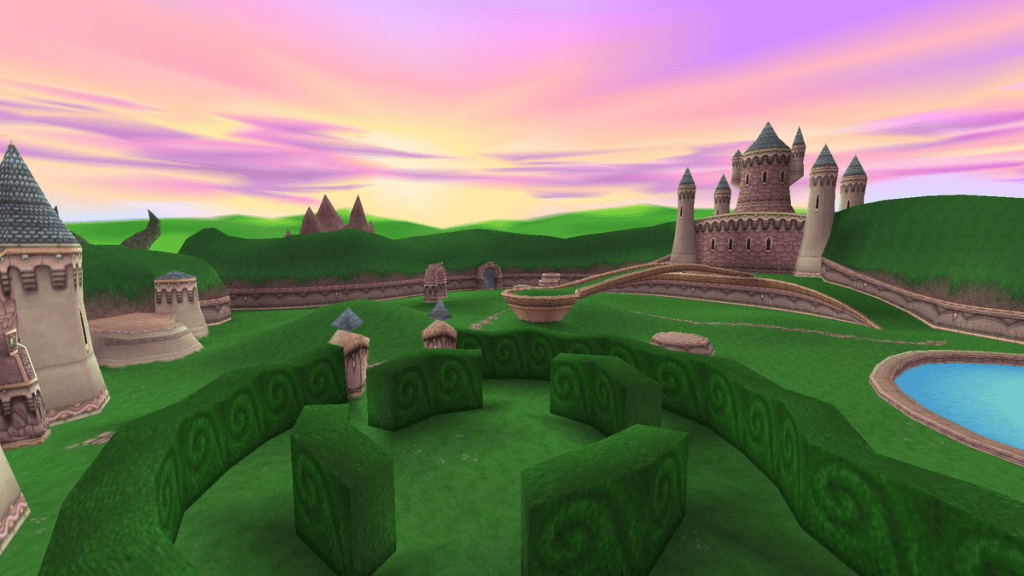
How Many Licks (Levels) Does It Take to Get to the Gnasty Gnorc Center of a Gnasty Pop?

An Any% Analysis of Spyro the Dragon.

As a child I enjoyed the collecting/exploring aspect that the Spyro games heavily encourage, but I used to find it just as captivating to gain access to more real estate (levels/worlds) as soon as possible so that I had more choice of area to play with. For me, not having a memory card at the very start of the Playstation lifespan likely lent itself to this initial play style. Time was of the essence before my parents said I played enough for the day (I was 8 years old when Spyro the Dragon released) so there was an arcade aspect to my playthroughs like putting quarters in the machine for a limited time use. Also having to learn the game’s hidden locations as a kid from scratch meant I didn’t always 100% every level before moving on regardless. Current me knows the game much more intuitively through muscle memory and I’ve grown to become an obsessive completionist with any video game I play so Spyro the Dragon’s inclination to prevent the player from progressing to each homeworld has been virtually lost on me. I simply know the game inside and out when it comes to a 100% playthrough and if you’re like me, you won’t even acknowledge the balloonist’s toll fees because you already have more than enough collectibles by the time you’re ready to proceed to the next homeworld.

This playthrough and write-up is to examine the game’s intentions to challenge first time players who may just want to breeze through the game by experiencing the least amount of levels before beating the mainline game. In other words, how many licks (levels) does it take to get to the Gnasty Gnorc center of a Gnasty Pop? What are the minimal levels needed to defeat Gnasty and what’s the most gems, dragons, and percentage you can end up with? The world has never known… until now. This article will break down the beat by beat process of the brick walls you may or may not hit and what choices you might be faced with. To kick things off, it’s best to test how much stress we can place on the game’s progression. My rule of discipline will be to see how far playing the entirety of a homeworld’s home level and two extra levels of my choosing within that homeworld will get me. This will serve as the control premise and hopefully help recapture the feeling of just scraping by and the prospect of carefully strategizing my next move. If we need to adjust our rule set going forward, we will. Lets see what we can learn.

THE JOURNEY FROM ARTISANS TO PEACEKEEPERS:

  • The reason I settled for the rule set of only collecting from the homeworld’s home level and two extra levels from that homeworld is because Marco, the Artisans’ ballonist, requires 10 rescued dragons to allow you access to Peace Keepers. In order to progress to Peace Keepers, you are required to follow this rule set (at least for this homeworld). We’ll test to see how consistent the amount of levels required to proceed holds up with each balloonist.

  • After completing the Artisans home, I realized it’s obligatory to complete Stone Hill and Town Square because it offers you the best bang for your buck on all fronts. It offers the most gems (200 each), the most dragons (4 each), and are the only Artisan levels that offer an egg. By the time you are done, you will have 500 gems, 12 dragons, and 2 eggs.

THE JOURNEY FROM PEACE KEEPERS TO MAGIC CRAFTERS:

  • Upon arrival to Peace Keepers, you will have 500 gems, 12 dragons, and 2 eggs.

  • In Peace Keepers, Gosnold the balloonist requires you to have collected 1200 gems to allow you access to Magic Crafters. I initially figured I’d continue the strategy of choosing the only 2 levels that will offer an egg (Dry Canyon and Cliff Town) but I’ll soon realize that’s not the best approach. The best options will actually be Dry Canyon and Ice Cavern. All three levels mentioned will each garner the highest amount of gems (400 each) but Cliff Town only offers 3 dragons. Dry Canyon will offer 4 dragons and an egg. Ice Cavern will offer a whopping 5 dragons and no egg. It’s best to opt for more gems and the lack of egg in Ice Cavern. After all is said and done, you will have 1500 total gems, 21 dragons, and 4 eggs.

  • So far the first two homeworlds definitely required the established rule set we’ve been following of completing each Home and 2 levels within that homeworld. You also couldn’t get to Magic Crafters if you decided to complete the Artisans and Peace Keeper’s Home levels and then all four of the regular Artisan levels (Dark Hollow and Toasty included) instead of completing any of the Peace Keeper’s regular levels. Not only does the Artisan levels offer the least amount of gems cumulatively but Dark Hollow and Toasty offer the least amount of gems in the Artisans homeworld (100 each). The gem count per level in Peace Keepers increases compared to Artisans so you are forced to take advantage of that if your goal is to keep mainlining the game. This was Insomniac’s way of requiring players to take on the more slightly amped-up difficulty from what Peace Keepers has to offer.

  • It is also clear at this point that you can’t choose to do a flight or boss level as one of your two choices per homeworld because they offer the least gems, there’s no dragons or eggs in a flight level, and you’re mostly only getting one dragon per boss level. It simply will not fly.

THE JOURNEY FROM MAGIC CRAFTERS TO BEAST MAKERS:

  • Upon arriving to Magic Crafters, you will have 1500 gems, 21 dragons, and 4 eggs.

  • After completing the Magic Crafters home, you will now see why it was key to choose the eggless Ice Cavern in Peace Keepers because Tuco the balloonist is already ready to take you to Beast Makers without you having to play a single Magic Crafters level. Magic Crafters’ home already offers 2 egg thieves so you can have 6 eggs by the time you reach Tuco. He only requires 5 eggs to gain access to Beast Makers. Interestingly if you don’t have enough eggs by the time you speak to Tuco, he will tell you some specific levels which have an egg. Maybe Insomniac figured players would not have the attention span to chase down every egg thief they came across until now. It is a task that requires more skill since it places emphasis on your charge ability and trains you to take subtle shortcuts in your chase in order to catch up to the thief. If Peace Keepers was about forcing the player to toughen up and take on a greater difficulty of levels, Magic Crafters is about honing your… craft. Thus the introduction of the supercharge.

  • From here on out, you don’t need to worry about egg collecting ever again. If you follow the rule set, the best choices for regular levels in Magic Crafters is Alpine Ridge (500 gems, 4 dragons) and then your choice of High Caves or Wizard Peak which each offer 500 gems and 3 dragons. I chose Wizard Peak. After all that, you will be moving on with 2800 gems, 34 dragons, and 9 eggs. Wow, Magic Crafters was easy as pie in terms of progression…

THE JOURNEY FROM BEAST MAKERS TO DREAM WEAVERS:

  • Don’t be fooled though, because Magic Crafters is setting you up for the game’s greatest punchline. The tonal shift in requirement to progress from Beast Makers to Dream Weavers is an epic troll after Magic Crafters lulls you into a false sense of security. Cray the balloonist is cray-cray because he requires 50 rescued dragons to help him sleep at night. By the time you complete the Beast Makers home level, you will only have a total of 36 dragons. That means if we are to follow the rule we’ve been testing up until this point, the next two levels we choose would need to offer 14 dragons in total (7 per level) for us to make the gate.

  • Not only is this impossible but Beast Makers’ total dragon count is significantly less than every previous homeworld, adding insult to the injury of Cray’s demands. All of the Artisans’ levels offers a total of 16 dragons, Peace Keepers 16 dragons, Magic Crafters 14 dragons, and Beast Makers only offers 12 measly dragons. Even if you 100% completed the first three homeworlds and collected everything in the Beast Makers home before reaching Cray, you will only have 48 dragons. The game is essentially training you that Spyro the Dragon is a game you’re encouraged to 100% rather than simply pass through because by the time you achieve those 50 dragons, you might as well get everything else. This is the point in the game where the Gnasty Pop will tempt you the most to stop counting your licks and simply crunch down. In order to evade the temptation, we just need to course-correct our discipline. We need to examine the best way to go forward by breaking the 1 home level + 2 extra level per homeworld rule.

  • Out of curiosity though, what is the highest amount of dragons we would get if we followed our previous rule for the playthrough? Misty Bog (4 dragons) and Tree Tops (3 dragons) are the levels that offer the highest dragon count in Beast Makers. Terrace Village is a no-no because it offers the least amount of gems (400 rather than 500) and only 2 dragons. Boss levels and flight levels are always out of the question. So after choosing the best possible options, we would end up with 43 dragons, 4100 gems, and 9 eggs (not that it matters but Beast Makers offers no eggs) which is simply not enough to make Cray feel better.

  • We’re shy 7 dragons from the requirement to advance to Dream Weavers so what is the least amount of levels we can play that will help us forward with the best payout? The interesting thing is you will need to play three more levels to fulfill Cray’s wishes. No way around it. The two obligatory ones that will garner the highest dragon and gem count is High Caves/Wizard Peak (depending on which one you didn’t choose back when you were in Magic Crafters) which each offer the same payout (500 gems, 3 dragons, and 2 eggs) and Cliff Town (400 gems, 3 dragons). So to clarify, since I already played Wizard Peak, I’m now playing High Caves and Cliff Town for the first two levels needed out of three. That will grant you 6 more dragons, giving you a total of 49. So what is the third level you should play that will ensure we have enough for what the Dream Weavers balloonist will ask of us? We only need one more dragon to make this gate and the next task will be a gem requirement. Keep in mind, we’ll be able to (and should) play the entirety of the Dream Weavers home level, as well as two extra levels.

  • Our best choices for the third level before speaking to Cray: Dark Hollow (100 gems, 3 dragons), Terrace Village (400 gems, 2 dragons), Metalhead (500 gems, 1 dragon). Each flight level you have available offers 300 gems and 0 dragons so we can rule out flight levels from ever factoring into our choice. Yes, we need to focus on gems so the dragon count doesn’t matter since we only need one more, but if you’re interested in seeing how many dragons and/or gems you can get by the time you defeat Gnasty Gnorc, maybe this will interest you in how you choose to proceed. We essentially are bending our rule at this point so it depends what you strive for or value more in achieving by the end of this playthrough when attempting to complete the least amount of levels. A better question might be what will get you a higher percentage of completion by the time we defeat Gnasty Gnorc? Does dragon count add more to the percentage rate or does gem count? All eggs will be collected by the end. Let’s think of percentage rate as our enjoyment rate of the Gnasty Pop. Let’s achieve the highest enjoyment without crunching into more levels.

  • Let’s examine our options. Before venturing towards any alternate path, we have 5000 gems, 49 dragons, and have collected all 12 eggs with a percent completion of 55%. Below are what we will end up with after completing the one of the three choices we have before proceeding to Dream Weavers:

Dark Hollow will leave you with a total of 5100 gems, 52 dragons, and 57%. This level will allow you to pass with the most dragons. (Dragon Liberator)

Terrace Village will leave you with a total of 5400 gems, 51 dragons, and 58%. This level will allow you to pass with the most percent completion. (Percentage Pyro)

Metalhead will leave you with a total of 5500 gems, 50 dragons, and 57%. This level will allow you to pass with the most gems. (Moneybags’ Apprentice)

The choice is yours. I guess Spyro has RPG DNA after all…

THE JOURNEY FROM DREAM WEAVERS TO GNASTY’S WORLD:

Now here’s the thing. The thesis here is to reach Gnasty Gnorc with the least amount of levels completed but with the best payout. There’s a balance that needs to be struck. So with that in mind, Dark Hollow wouldn’t actually be the best option because Amos the balloonist of Dream Weavers is asking for 6000 gems. The Dream Weavers home and one extra Dream Weavers level would only net you 5900 gems at most, meaning you’d have to complete one more extra level. However, if you choose Metalhead, you can technically do a beeline straight to Dark Passage, get 500 gems, 5 dragons, and boom, you now have exactly (if not more, depending on whether you collected anything on your way to the Dark Passage portal) 6000 gems. This isn’t a speedrunning thesis though so perhaps the Dream Weavers home level should be played to completion before taking on Dark Passage. This is what Dream Weavers is all about. Weave your own dream. We now only have two options.

I’m torn between going the Terrace Village route where I can play the Dream Weavers home and Dark Passage, OR going the Metalhead route and just beeline to Dark Passage, but ultimately this draws in a philosophical question:

If I avoid the gems in the Dream Weavers home in order to just reach Dark Passage, is it a sin of omission? By collecting 0 gems in the home level does that mean I “didn’t play the level” or is the evasion of the gems in the Dream Weavers home still a form of play? There’s no way around playing through the Dream Weavers home so I believe that inherently means I might as well complete the entire level to honor the concept of “playing the least amount of levels while obtaining the best payout”. It’s worth noting this is not a speedrunning guide or a permadeath run where we need to factor in skill or speed to completion. It’s a playthrough based on principle. Now, lets explore both avenues of Terrace Village and Metalhead under the premise that we need to complete the Dream Weavers home level which will garner 300 gems and 3 dragons.

Having gone the Metalhead route, I am able to beeline straight to Dark Passage without picking up a single gem from the Dream Weavers home. That gives me a total of 6000 gems, 55 dragons, with a percentage of 62%. You might find some humor in the fact that you can easily skip most of Dream Weavers and head straight to Gnasty’s World. You technically can avoid collecting any gems in the home level on the way to Amos the balloonist. Not only that, but there’s a total of 16 dragons across all the Dream Weavers levels. If only these dragons got trapped in crystal in any of the regions we’ve previously explored, so we can fulfill Cray’s wishes, but no. Cray knew he was screwing with us. As the most demanding balloonist, he is the secret villain of Spyro 1. Or is he our secret sensei?

You can compare Cray to Moneybags from Ripto’s Rage and Year of the Dragon, but when you think about it, Cray is the antithesis of Moneybags. For Cray, it’s not about money. It’s about doing what’s right. About encouraging Spyro to liberate the dragon realms. He also discloses that he’s been patching a leak in the hot air balloon while you exercised heroism in rescuing these 50 dragons, so there was actually both a practical and moral reason for Cray not letting us through. Moneybags on the other hand is all about greed for greed’s sake. He’s only looking out for himself even if it means keeping Sheila the Kangaroo in a cage or keeping a bridge closed just because he can. Never mind that the world is at stake. At the end of the day, Cray plays a crucial part in training Spyro and us the gamer the importance of collecting which will come in useful when we come across bad faith actors like Moneybags in the future.

FINAL PUSH TO GNASTY (TWO ALTERNATE PATHS):

We can now technically avoid collecting everything in the Gnasty’s World home level (Gnorc Gnexus) so just for curiosity sake, let’s see where that leads us because now we have to play Gnorc Cove and Twilight Harbor sequentially before reaching Gnasty Gnorc. Guess what I’ve discovered though! Even though I completed Gnorc Cove and exited through the ‘Return to Home’ portal as I should, the dragon statue head that guards Twilight Harbor will not open. What is keeping it closed? Is it because I didn’t trigger the dragon at the center of Gnorc Gnexus? Let’s test….Yes you actually need to collect that dragon Delbin in order to gain access to Twilight Harbor. Makes sense. I know this is a quick fix, but I just find it interesting that it’s the only unsaid requirement to progress that has nothing to do with a balloonist. I tried searching on google to see if anyone has ever had trouble unlocking Twilight Harbor and there’s nothing. Why would they? The dragon is 5 feet in front of them when they arrive at Gnorc Gnexus. But this is the spirit of what this analysis is all about. Not crunching down on the Tootsie Pop and seeing what reveals itself. After this trial run of avoiding eveything in Dream Weavers home level and Gnorc Gnexus, I ended up with 7300 gems, 60 dragons, and 69% completion. Just for reference there’s 12000 gems, 80 dragons, and 120% in a complete playthrough.

This trial run cheats our thesis though so in conclusion the final outcome of when we collect everything in Gnorc Gnexus and the Dream Weavers home after choosing Metalhead is 7800 gems, 64 dragons, and 74%. Congrats, Moneybags would be proud! How many levels does it take to get to the Gnasty Gnorc center of a Gnasty Pop?

20 levels. 20 out of 35 levels without crunching down for 120% completion.

But yes, lets see what our final outcome is had we chosen Terrace Village: 7700 gems, 65 dragons, and 74%. Congratulations, you are a dragon liberator! Cray taught you well. I easily could have done the math without playing to figure out the gem/dragon count at this point, but how percentage completion works in this game is a little mysterious. After playing it again myself apparently you will end up with 74% regardless if you choose Metalhead or Terrace Village. Any way you slice it, you will have over 25% worth of post-game in order to achieve full completion after beating Gnasty.

Anyway, this analysis was both an excuse to write about something, as well as play Spyro the Dragon again. I hope you appreciated this brief breakdown. If you want to check out my lets play of Spyro Reignited Trilogy, just follow my channel on youtube KevPlays9490. You can also follow me on twitter @letswatchseries to keep up to date on the occasional upload. Thanks for reading!

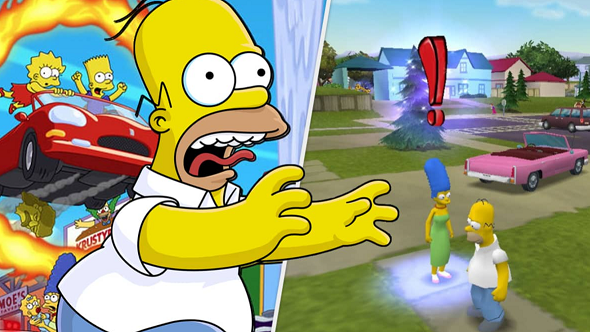
Why hasn’t ‘The Simpsons Hit & Run’ been referenced on the show?

After the first four years of its Fall release in 2003 across GameCube, PS2, Xbox, and PC, The Simpsons Hit & Run had sold roughly over 3 million copies. For a licensed Simpsons game, this is nothing to sneeze at. The game was well received among critics and fans alike. Currently on metacritic, it stands at an average of 80/100 by media outlets across all platforms and an average of 8.5/10 by players. This is the highest reviewed average for any Simpsons game ever. To this day, the game has a vibrant modding community on PC and high demand for a sequel or remake, even inspiring an unofficial finished remake by youtube user and remake artist @reubs (http://www.youtube.com/@reubs).

The next console release, 2007’s The Simpsons Game would go on to sell about 4 million copies. Other than the game being received generally well, a lot of those sales could be owed to not only the good faith of Hit & Run as the previous console installment among consumers, but the rise in mindshare The Simpsons was receiving that year. The game’s release was coming hot off the summer blockbuster debut of The Simpsons Movie which garnered $536.4 million in the box office overall, including an additional $97 million in physical media sales. Fans have been treated with canonical references like in season 19’s premiere intro featuring the town’s clean-up of the shattered dome’s aftermath, as well as meta references like Marge’s proclamation, “No more Simpsons movies! One was plenty,” from “Any Given Sundance”. SpiderPig has made many brief cameos in episodes including “He Loves to Fly and He D’ohs”, “Treehouse of Horror XVIII”, and “Apocalypse Cow”. Even Boob Lady has appeared in season 21’s “Boy Meets Curl”. So while The Simpsons Movie has been been referenced multiple times in the series and treated as canon, why hasn’t The Simpsons Hit & Run, or really any of the games for that matter?

*CORRECTION: Before continuing, it’s important to note that The Simpsons Tapped Out (2012) has been referenced at least 6 times with quick visual gags on the show. Thank you nohomers.net user Frankbags for directing me to this imdb link which lists each episode where they can be found. Tapped Out was an ongoing mobile game for close to a decade, intended to tie into certain updates in the show as you played, so this would be the obvious exception to the query of this article considering the prolonged relevance between both the show and the mobile game for that span of time.*

My first guess as to why past console games have never been acknowledged on the show is how the medium of video games can be seen as niche in comparison to film and television. However, the games industry is more thriving than the music and film industry combined according to SuperData research as stated from a 2023 gamerhub article. In the 20 years since the games’ release, video games have continued to prove fascinating in its innovation to tell stories, exceed in an extensive variety of entertainment value with audiences, and distinguish itself as an interactive art form. Sure, hardware capabilities in 2003 were limited when compared with what AAA studios can accomplish today. Simpsons writers like Rob LaZebnik and J. Stewart Burns have attested to how much they’ve enjoyed completing Red Dead Redemption 2 when interviewed at a panel discussion in E3 2019 so surely they understand this too. While I’d argue The Simpsons Hit & Run holds up incredibly well as a game overall, its graphics are a little rough compared to what is possible for the IP today and possibly left something to be desired from the artists at the time when translating it from the visual quality of the show. That said, while film and television have been established longer than the conception of video games, each medium had to evolve. The Simpsons Hit & Run is a product of its medium’s evolutional history and that’s something to be proud of and celebrated.

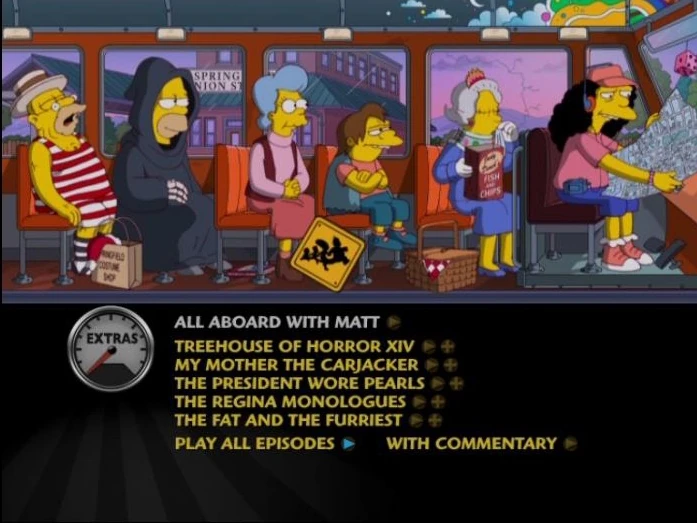
It’s true that The Simpsons Movie took the summer of 2007 by storm even in the marketing lead-up to the film’s release. Put a reference of the movie in the show and viewers are more than likely to recognize it. Maybe the overlap in the Venn diagram for people who watched the series and the movie are greater in ratio when compared to the overlap of those who watched the series and played the games. Even so, time has proven how beloved Hit & Run is and subjectivity aside, it’s as highly regarded in Simpsons’ fans circles as the movie, if not more. What’s great about The Simpsons is how in the span of 22 minutes, the historical, pop culture, or political references can range from super broad and well-known to the obscurest of obscure so whether the audience gets it or not shouldn’t be an issue. Now that the show is animated in HD, even the briefest visual easter egg can suffice. I’ve watched every episode to date and have yet to recall any Simpsons game (beyond Tapped Out) or even a Bongo comics reference. Commercial references have existed like nods to Simpsons T-shirts (Season 2’s “Dancin’ Homer”) or Butterfinger (season 14’s “Barting Over”) and even the “Do the Bartman” music video was referenced in season 9’s “Simpson Tide”. The closest a game came to being referenced was a season 15 DVD menu where the logo to Hit & Run can be found:

Beyond the hard work from Radical Entertainment’s dev team and the critical acclaim the game has received, it’s also noteworthy how rare it is for a body of work outside the show to exist that included hours upon hours of voice recordings from the entire cast and is also written by Simpsons writers themselves: Matt Warburton, Tim Long and current co-showrunner Matt Selman. Is it necessary to reference the game in the show? No. But wouldn’t it be fun as all hell if it did! The game is essentially a long-form Treehouse of Horror episode as each level counts as a day leading up to Halloween. Could it be possible for a segment in a future Halloween episode to tie into the events of the game? The show in its recent seasons has been more flexible and experimental with its non-canon stories (“Thanksgiving of Horror”, “A Serious Flanders”, “Lisa the Boy Scout”, etc.) so even a one-off televised adaptation of The Simpsons Hit & Run would be welcome (or a sequel story! or a spin-off! or a spiritual successor!). Matt Selman has gone on record in a 2021 interview with IGN “I would love to see a remastered version of The Simpsons Hit & Run, I would. It’s a complicated corporate octopus to try to make that happen.” My response to that would be, “Have fun with what you can control”. If a game remake or sequel is difficult to make possible from the powers that be, then perhaps you can use the powers you have on the show and the creativity of the writer’s room to have fun with the spirit of the game’s universe. Unless there’s some weird license agreement issue, what’s the harm?

What’s interesting is Matt Selman has come the closest already to writing an episode that captures the spirit of The Simpsons Road Rage and The Simpsons Hit & Run with season 12’s “Trilogy of Error”, produced during Mike Scully’s time as showrunner. This fan-favorite “post-classic” aired between the release of both games so it shares the same tone, characterization, and style of humor that you would come to expect. On top of that, it features multiple protagonists (three compared to the game’s playable five) where Homer, Lisa, and Bart have their own missions. Like the gameplay, they’re pressed for time as they take a tour de force around Springfield. Homer must get to a hospital quick to reattach his severed thumb, Lisa must get to school in time for her science fair presentation, and Bart attempts to avoid the cops and the mob when mixed up with illegal fireworks.

“Video games are so late 90s…Illegal fireworks are all the rave now.” – Kearney, The Simpsons Hit & Run

Along the way, characters steal vehicles or get offered rides from the townspeople and you get the same snappy dialogue and character interactions. Seriously if you ever rewatch this episode, close your eyes and imagine each quest line as a mission in either of these games and it’s uncanny to the point where you wonder if the games developed around the same time gave any inspiration to the show or vice versa. Alright fine, I’ll do the nerding out for you:

Homer’s missions:

  • Keep up with Santa’s Little Helper to retrieve severed thumb.
  • Return to Marge and take the Family Sedan to the hospital.
  • Escape from McBain and steal his car when he’s distracted.
  • Drive to Dr. Hibbert.
  • A thumb is not a finger therefore your finger insurance doesn’t cover Homer’s injury. Drive to Dr. Nick.
  • But first drive to Moe’s to get ice.
  • Marge disappeared. See Cletus and drive to Dr. Nick’s.
  • Dr. Nick’s practice is on fire! To be continued…

Lisa’s missions:

  • Run to school and find a ride if possible.
  • Talk to Krusty. Have Mr. Teeny drive Krusty’s Limo to Springfield Elementary.
  • Don’t alert the cops who are on their way to 123 Fake St.
  • Uh-oh! Mr. Teeny drove you to West Springfield Elementary. Talk to Thelonius.
  • Frolic with Thelonius for a bit and run to Moe’s to see if Homer is available to offer a ride.
  • Talk to Chief Wiggum and exit Moe’s.
  • Marge is parked out front with McBain’s car. Talk to her and ask for a ride.
  • Uh-oh! McBain’s car has run out of gas. Hop on the back of Cletus’ truck and steal it when he arrives at Dr. Nick’s.
  • Drive to school but look out for Bart! Follow Bart , Milhouse, and Fat Tony to the alley.

Bart’s missions:

  • Talk to Milhouse. Sounds like he has big news.
  • Go to your bike and steal Lisa’s for Milhouse to ride.
  • Ride to the secret cave where Milhouse goes to cry.
  • Obtain illegal fireworks and go to various spots in town to cause havoc.
  • You’re wanted! Avoid Chief Wiggum and run to 123 Fake St.
  • Cutscene. You’ve been caught. Talk to Chief Wiggum at the booth in Moe’s.
  • You’re now wearing a wire. Return to the secret cave.
  • Talk to Fat Tony.
  • You’ve been made. Run! Climb up the ladder and head towards the alley…

The episode also features guest stars Joe Mantegna (helps carry the mob motif of the Grand Theft Auto games which Hit & Run takes inspiration from) and Frankie Muniz who’s no stranger to racing cars himself and has now begun a career in the ARCA (Automobile Racing Club of America).

Also hey, if one of the first things in Hit & Run you can do is kick Marge, then surely it’s a good trade-off that one of the first things she does in “Trilogy of Error” is cut off Homer’s thumb. Right?

Finally, let’s note that The Simpsons writers have spoofed and incorporated video game material in their plots many times in the past. Some of the best coming from “Marge Be Not Proud”, “Marge Gamer”, “E My Sports”, The Food Wife”, and “The Game Done Changed”. If you purchase the season 13 DVD/blu-ray, you can watch a cool featurette showcasing all of the past Simpsons games. The writers are certainly fans of games and this article’s purpose is simply to remind them that they’ve earned the right to pat themselves on the back for the games they’s helped create including The Simpsons Tapped Out, which while fun and addicting, is unfortunately their most recent offering. One of the best things these games do is provide a treasure trove of references to the show. The show doesn’t need to shy away from returning the favor. Regardless, I truly believe Matt Selman, Al Jean, and the team have been doing a bang-up job in recent seasons to the point where The Simpsons has returned to being my favorite comedy to return to every week. As long as they can keep that up, that’s all I can ask from them. In the meantime, I’m grateful many of these games exist to begin with.

Amidst the SAG-AFTRA and WGA strikes, hopefully studios can stop being cartoonishly greedy and meet the demands of the writers and actors befitting to television’s present business model and be paid the fair wages they rightfully deserve. UPDATE: They did.

Thanks for reading!

Better Call Saul “Waterworks” (S6E12)

“This guy, any good?”

“When I knew him, he was.”

We the people. The penultimate episode of the series opens with a direct shot of the U.S. constitution.  A declaration that the power in our country is gleaned from the people, not congress or a king. Jimmy bounces a rubber ball against this idea similar to how he did against the store-front window back when employed at CC Mobile as an intermittent means to avoid therapy. Bouncing the ball back then (season 4’s “Talk”) was his way of reflecting in the wake of his brother’s death. How can he turn his grief and pain into a way of getting back at the world? A world where his own brother declares “You never mattered all that much to me” before committing suicide. The spiraling answer to that was selling burner phones to criminals who need to stay one step ahead of law enforcement. Jimmy aimed to commit to his bad behavior. This choice was something he hid from Kim for a significant span of time. He lied to her then and he’s about to lie to her now. Saul Goodman twists the constitution into his favor by using the power of the people as a weapon to ironically show that he is the king. By keeping his impatient clients crammed in the waiting room with Francesca, it’s his way of telling Kim that she could have been the “queen”. The pot of riches is bursting outside his door and if she took the Sandpiper money and joined him, they could have ruled the world together. Instead, she’s going to wait out there with the rest of the “scum” while his bouncing ball takes priority.

It’s all delusion. Saul Goodman’s office being set up as a throne for American justice is as fake and flimsy as the styrofoam pillar of justice that Jimmy mistakenly knocks over. Jimmy McGill not only hates what he’s become due to his inability to cope with pain and abandonment, but the indifference he shows towards Kim when meeting over divorce proceedings isn’t real. Before sending her in, he’s clearly hurt and deeply affected by what’s transpired between them. He stubbornly puts on an act in the same way his brother did to him in their final moment together, even pretending to read irrelevant paperwork as she sits there wishing things could have turned out different. This is Jimmy’s “Lantern” moment where instead of going out in a fiery blaze, he chooses to lean into the worst part of himself. It’s almost as if Jimmy harbors the same mental illness Chuck struggled with, except he’s not completely on his last rope. When Chuck was at death’s door, he lost everything. He burned all his relationships and the respect for himself. Jimmy may have lost the people that mattered most to him, but as Saul Goodman, the one shallow thing he’s pursued since the series pilot, remains: Money. The money obtained at all cost is what will keep him imprisoned in the shell of Saul Goodman for a foreseeable future. It’s his space blanket.

Kim will become affected by her final meeting with Jimmy in the same way Jimmy was affected by his final meeting with Chuck. While she had already made the decision to take responsibility for what went down with Howard, her escape into the shell of who she once was is arguably brought on by a need to punish herself further. She and Jimmy shared the burden of Howard’s death, but if Saul Goodman can carry on like it was nothing, and as if what they shared together was for nothing, then it leaves Kim to carry the weight of the guilt on her own. The only difference is that instead of her retreating into her worse self, she’s retreated into having no self. In the course of six years, she’s buried in a life of indecision. A plain, stale pursuit of the American dream. She’s settled into Florida, working for an established sprinkler company, while sharing a house with a boyfriend (maybe husband?) who is probably an alright guy. They have conversations like whether miracle whip can serve as a substitute for mayonnaise. The Kim we know would probably argue that neither of them are in the same ballpark, but she leaves the idea of them using it up to her boyfriend.

She’s quick to agree on anything anyone else decides all while willing to solve a jigsaw puzzle that has no picture. She’s rid herself of accountability on anything. If an opinion is asked of her, she’s got nothing substantial to offer. She’s on the ‘no choice road’, riding passenger to what’s safe and conventional, perhaps so nobody close can get hurt ever again. This shows how much Howard’s death has haunted her in the long run. It’s not a life she carved for herself overnight, but a tragic philosophy she’s been absorbed into as a coping mechanism. However, it’s still an escape. She dyed her hair brown and relinquished the pony-tail for that reason. When Jimmy calls her at the office, she’s mentally and emotionally sideswiped. She has no idea how to even conduct herself in conversation. Jimmy being a wanted man is nationally known so eventually garnering the courage to tell him to turn himself in is a long leap from being unable to decide what flavor ice cream cake the office should buy for Tammy’s birthday. She wants what’s best for Jimmy considering it’s why she left him to begin with, but Jimmy protests. He argues that she has no idea what he has or hasn’t done and deflects that maybe she should turn herself in if the guilt was enough for them to split the way they did. It’s even an opportune time for her to do so considering Gus, Mike, and Lalo are considered dead.

This phone call, just like the final meeting at Saul Goodman’s office, is yet another catalyst pushing both Jimmy and Kim to make bold life decisions. When Jimmy asked Kim what her thoughts were on Saul’s office, she begins to compliment, but can’t muster to entertain the life he’s chosen, so she cuts herself short with a “Yep”. This response represents a lie. It’s what Jimmy utters defiantly on the phone when he acts like him “still getting away with it” is a good thing. It’s what her new boyfriend in Florida repeats while engaging in intercourse. There’s a lack of intimacy between Kim and her boyfriend which he may or may not catch onto. When he asks her whether running with the bulls is dangerous, she answers “maybe” and he repeats her response back to her as if it’s her usual catchphrase. Jimmy’s brashness over the phone is enough to snap her out of the dull, mindless prison she’s entombed herself in. Taking real accountability for the very thing she’s haunted by can very well set her free and Jimmy’s inability to see that for himself is what serves as a mirror.

So Kim leaves her fate up to the universe in the best way she can. She visits the Albuquerque courthouse where she used to work and hands in an affidavit confessing what really happened to Howard and her involvement leading to the moment before he was murdered. She also hands this confession to Cheryl, leaving her to do with it as she sees fit. Perhaps it can give Cheryl the closure she seeks or perhaps she could use it against Kim in civil court. When asked why Howard was murdered, Kim responds that he was in the wrong place at the wrong time. This is a short answer glossing over the truth and she also dances around the idea of Howard’s suffering in an attempt to make Cheryl feel better. These are moments of weakness within an overall courageous act of Kim taking accountability. It goes to show how hard it must have been to come straight to Cheryl to begin with but no matter how comforting she makes the truth for Cheryl or herself, the words are still written on paper to prevent any softening of what happened, which Kim probably knew she’d naturally find herself doing. Ultimately, Kim is willing to help change Howard’s reputation around for the better with any means necessary.

Cheryl threatens the idea of suing Kim in civil court but it seems like she’s not willing to go through with it. She sees that Kim came to her personally with no ulterior motive or protest of guilt. She knows Kim did not need to write up an affidavit or come to her at all. All Cheryl wants is closure and Kim is giving her that with the promise of helping to make things better. Kim is the best resource Cheryl has in order to turn Howard’s reputation around so burning Kim to the ground may not be in her best interest. Cheryl is interested in justice, not revenge, and justice means what’s best for Howard and her path to move on from her grief. If Bernalillo County decides to prosecute Kim for her crimes, they can, but for the meantime, there’s no physical evidence to support Kim’s claims.  Kim is very upfront about this to Cheryl which only reinforces her honesty and genuine desire to do what’s right. This moment of confession is a serious form of penance for Kim. For the first time since Howard’s death and leaving Jimmy, the emotions she’s suppressed come pouring out. Its a guttural performance by Rhea Seehorn as she publicly breaks down on the bus back to the airport. There’s no describing the mixture of pain, guilt, and relief that is on display here.

Kim took matters into her own hands in the attempt to make things right but Jimmy is reeling in a more destructive way since their phone call. There was a time when Jimmy would make funny TV commercials, which pales as lighter office drama in the Davis & Main days compared to the true crime drama the show has become, but it was something Kim felt nonetheless attracted towards. Jimmy filled her world with color. However, even Jesse Pinkman, who is crossing paths with Kim Wexler in the most inopportune moment, suspects something may be off with these funny commercials. Kim is on the last leg of her journey with Jimmy, while Jesse has no idea what’s in store for him. It’s impossible to imagine how they could have ever warned each other, seeing as they’re strangers from different eras, but that’s the funny way the world works. Time and space can be incredibly indifferent in this show and yet oddly telling.

When Gene finds an estimated figure of $737,612.62 on his cancer victim’s investment report, it echoes a similar figure Walter White would strive to earn cooking meth. For anyone who’s seen Breaking Bad, 737 is a number contributed to a rare moment where the universe is strangely conscious to when a significant moral line is crossed, which is very much what’s happening here with Jimmy, especially considering he’s dealing with another cancer man. Walt fed himself with delusion that he needed that money to provide for his family, but just like Jimmy’s ironic twisting of the constitution, it was less about the people he loved and more about becoming the head of an empire. Is there any good left in Jimmy or is he destined to suffer the same fate as a man like Walter White? “Waterworks” brings us to the brink of Jimmy at his worst. The first time is when he plans to knock the cancer patient out on the head using the urn of a deceased dog’s ashes. This never plays out as the man passes out on his own. The next moment will be when Marion discovers that Gene is Saul Goodman.

Even with the universe randomly sending a patrol car to park behind the getaway taxi as Jimmy pushes his luck inside the house, he’s still able to get away when Jeff crashes the cab as a diversion. Jimmy embodies Saul Goodman once more, assuring Jeff his freedom, seeing as the stolen watches are not in Jeff’s possession. Blondie’s 1980 hit “The Tide is High” is sung by Jimmy while driving his way over to Marion, who’s informed already of her son’s arrest. When trying to reassure her of his innocence in the phone conversation prior, Jimmy is flying too high to realize that his demeanor wildly contrasts with the nasty tone she witnessed from him when looking out her bedroom window to the garage the night before. She’s previously mentioned back in “Nippy” that Jeff and Buddy got caught up with a bad crowd in Albuquerque so she’s no dummy to expect something foul may be afoot again especially when Gene fails to meet her concerns for Jeff when confiding in him. Marion’s laptop being used to watch cat videos  during the last episode was a great way to lull the audience into a false sense of security before it’s revealed she’s watching the ‘Better Call Saul’ commercial when he arrives. The cat screeching in the commercial is a fine payoff, like a piercing scratch on a record player playing the tune of Gene Takovic. Once you hear the cat screech, you know Saul Goodman is made.

What Jimmy does next is most interesting. For the first time, he seems like a physically dangerous, frightening individual. All the sympathy or hope you may have for his character subsides as he’s lurches over a defenseless elderly woman with a telephone wire held taught between both hands. All the magic that is Slippin’ Jimmy or even Saul Goodman as we know him is gone and we’re left with an awful human physically threatening a woman into a corner of her kitchen. There’s no thrill of a scam here. It’s just plain violence. Jimmy has every intention to take Marion out if it comes to it, but surprisingly stops himself when she utters “I trusted you”. It’s not clear whether Jimmy knew if he’d go through with assaulting the cancer patient or strangling Marion, but he brought himself to the brink in order to find out. Luckily for Marion’s sake, her words ignited something within him. Perhaps what little good remains. The Alpine shepherd boy.

It’s important to note that Breaking Bad was about the transformation of a seemingly good man becoming increasingly evil. Whether that man was always evil or circumstances brought out the worst in him, it will always be up for debate. Better Call Saul on the other hand, is the downfall of a flawed, misguided man who’s been known to possess the periodic will to make up for what he’s done, yet ultimately drowns in the consequences of his actions. The bad behavior isn’t expected to escalate, but continues due to a series of events that make him this way. The idea of redemption may very well be possible but the story has always been how Jimmy is always too late to make up for his choices. Walt was content with going to hell, while Jimmy isn’t. If he knew how to be a better person, he would but his struggle is much more complicated and nuanced.  This is what makes Better Call Saul the more tragic series. As Marion reports Saul Goodman to the authorities via Life Alert, Jimmy McGill is officially too late. What happens next is anyone’s guess.

Final thoughts before the finale:

-The Pina Colada song was sung by Jimmy back when he was hypnotizing the elementary school staff into believing he was authorized to shoot a Rupert Holmes documentary on the property. This is the same bubbly song that’s played when Kim and her boyfriend entertain a backyard barbecue for their friends. It almost seems to be used in the same way when it comes to feeding a lie.

-When Jesse acknowledges the absurd amount of rainfall taking place in Albuquerque that night, Kim barely answers as if it’s boring small talk. She just walked out on Jimmy for the last time after all. Six years later though, when her boyfriend mentions the chance of rain in Florida, she feigns a level of intrigue over the idea of it. Just goes to show how inside out her life has become. It’s great to see that Jesse Pinkman’s appearance actually serves the story in more ways than one, but it’s also fun to get moments though like the mention of Combo being represented by Kim in juvenile court after stealing a baby Jesus from a Nativity scene which was a crime of his mentioned in Breaking Bad. Also Jesse will refer Walt to Saul Goodman’s services because of Saul being able to get Emilio off the hook twice. As soon as we saw Emilio in the waiting room, I figured Jesse was likely near.

-Kim’s final words to Jimmy as of right now are “I’m glad you’re alive.” Perhaps his survival is the best we can hope for going forward. Where he lands spiritually does not seem as hopeful.

-Mike’s old position has been replaced with an automated ticket booth which is a sad legacy to leave behind. Last episode may likely have been his last.

-Jimmy and Kim brushing their teeth together has been symbolic to the state of their relationship ever since season 2’s “Switch”. It’s appropriate that a neutral, passive Kim living a life in black and white would use an electric toothbrush.

-Back when Kim’s involvement during the Breaking Bad era was subject to much speculation, the idea of Ice Station Zebra Associates was a strong clue that she may serve as a silent, supportive partner in the background to all the chaos. Now it’s clear that Jimmy used this in reference to what he’s lost. It’s sad but apparent that she’s still very much on his mind long after she’s gone. Also, Saul Goodman’s sexual harassment of Francesca was seen as glaringly out of character before this final season started. Now it serves fittingly as the unfortunate collateral damage from Jimmy and Kim’s break-up which many wouldn’t see coming.

One more episode to go. Are you ready?